

Creating Interactive Experiences with UEFN
Time limit: 3 days
Instructor: Gary Tibbett
Spots remaining: 12
Full course description

From playable prototypes to classroom-ready learning experiences
The workflows you develop here mirror how educators worldwide are transforming passive learning into active creation. You are not just learning features; you are learning how to design, facilitate, and deliver learning that can connect to student interests, real-world skills, and authentic 21st-century competencies.
Educator & Classroom Workflows
Learn how to move from playable prototype → student creation → curriculum integration, building pedagogical approaches that translate student experimentation into meaningful learning across computing, design & technology, and cross-curricular projects.
Pathways into Engaging Learning
Understand how UEFN, Verse, and Unreal Engine intersect with student motivation and deep learning—so this course becomes a launchpad into transformative pedagogy, not just a one-off CPD session.
Design the Learning Experiences Students Remember: Worldbuilding in UEFN + Unreal Engine for Educators
3-Day Face-to-Face Studio • Small Cohort • Constructivist Learning
Empower your students to build the worlds they've been imagining.
This 3-day, face-to-face studio is designed specifically for educators with no prior experience in UEFN or Unreal Engine. While these tools power experiences from global icons like Nike, LEGO, and BMW, Worldbuilding in UEFN + Unreal Engine for Educators is about you and your students: their creativity, their problem-solving, and their ability to shape learning experiences that feel alive and meaningful.
You will learn the same workflows that power professional brand activations, but through a classroom lens: how students move from rough prototype → refined experience → published world, developing skills that mirror real creative and technical industries while achieving genuine curriculum outcomes.
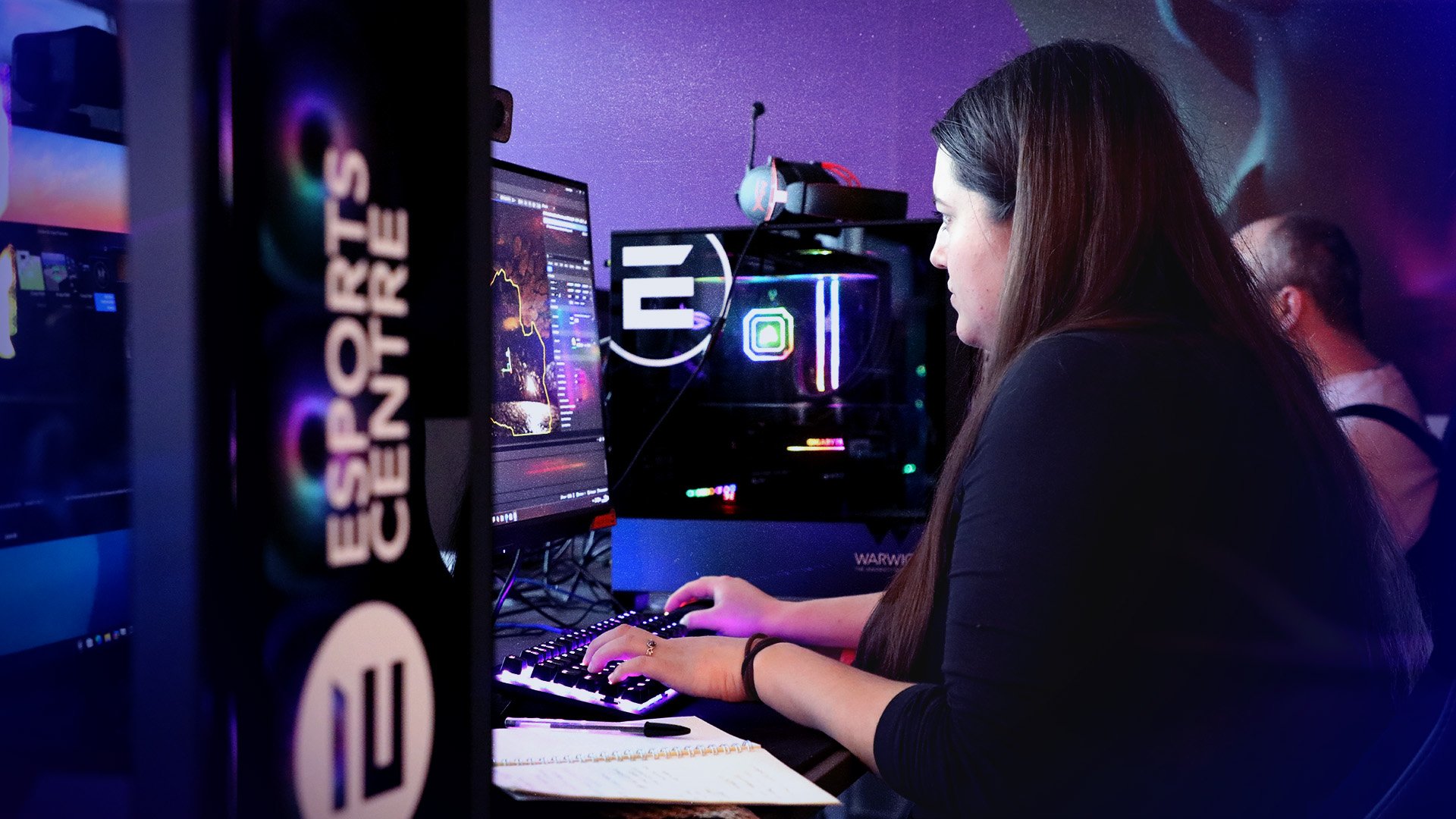
You will learn inside a state-of-the-art facility at the University of Warwick, within a small, intimate cohort, guided step-by-step by an instructor who works beside you, helping you troubleshoot, refine, and commit to the process of making. This is a studio, not a lecture.
Across three days, you explore, design, build, and reflect. You will not "master everything", but you will build something more important: a workable pedagogical process and a clear sense of how Unreal Engine and UEFN can transform learning in your classroom.
Why UEFN + Unreal Engine Matter for Education
Unreal Engine gives students the freedom to sculpt worlds from the ground up, developing spatial reasoning, design thinking, and technical problem-solving. UEFN, running inside Fortnite, gives them something equally significant: a pathway to publish those worlds into a live, global ecosystem using Verse, a scripting language built for real-time experiences and computational thinking development.
Unreal Engine • Student Creation
Students sculpt terrain, build structures, light scenes, and define atmosphere with full creative control—developing skills in design, iteration, and authentic problem-solving.
UEFN + Verse • Student Engagement
Students prototype inside an ecosystem they already love, layer in logic with Verse, and understand what it means to build for real audiences—creating authentic purpose and motivation.
Together, they form an iconic pairing: one engine for creation, one engine for connection to student culture. This course sits at the intersection—and shows you how to bring it into your classroom.
Learning Journey: Four Constructivist Pillars
You move through four core pillars of a constructivist, hands-on journey, experiencing as a learner what your students will experience, building not just technical knowledge but a pedagogical approach you can carry into your teaching practice.
Course Outcomes: What This Experience Sets in Motion
This course is designed as a beginning, not an endpoint. You will not walk out an expert in every feature, but you will walk out with the pedagogical mindset and momentum required to transform your classroom.
- Built a complete, visually coherent environment from scratch, experiencing the student journey firsthand.
- Learned the core workflows behind Unreal Engine and UEFN and how to scaffold them for students.
- Understood where Verse fits and why UEFN connects to computational thinking and student motivation.
- Developed a repeatable playable prototype → refined experience → classroom integration pipeline.
- Experienced the role of failure, iteration, and refinement in authentic learning—and how to facilitate this in your classroom.
- Gained the confidence to support student learning independently, even without being an expert.
- Identified clear next steps for classroom integration: how to start small, scale gradually, and connect to your existing curriculum.
- Received ongoing support materials and access to our educator community for post-course guidance.
This course does not just introduce Unreal Engine and UEFN: it introduces a new version of you, an educator who knows how to facilitate deep, authentic, transformative learning experiences that students will remember for years to come.
Post-Course Support Includes:
• Curriculum integration guides and lesson plan templates
• Access to the CEA educator community and ongoing mentorship
• Classroom-ready starter projects and assessment frameworks
• Regular online drop-in sessions for troubleshooting and sharing practice